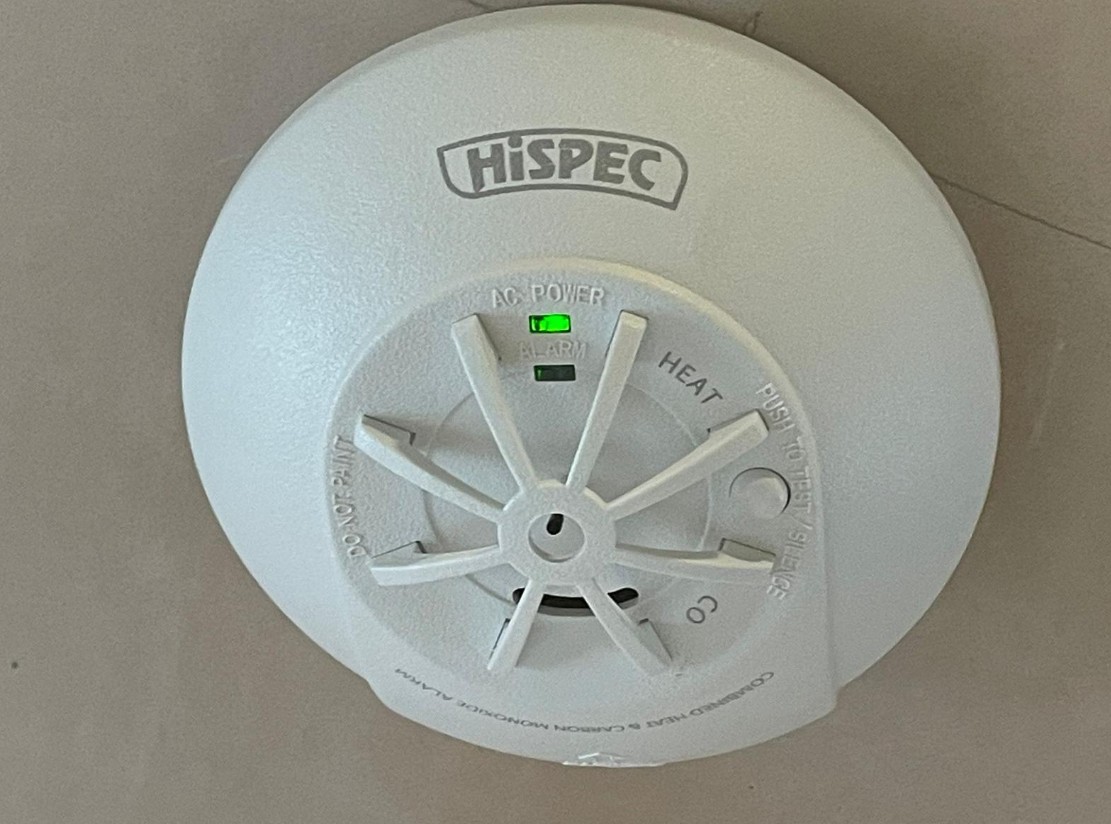
There isn't one smoke alarm that is right for every room.
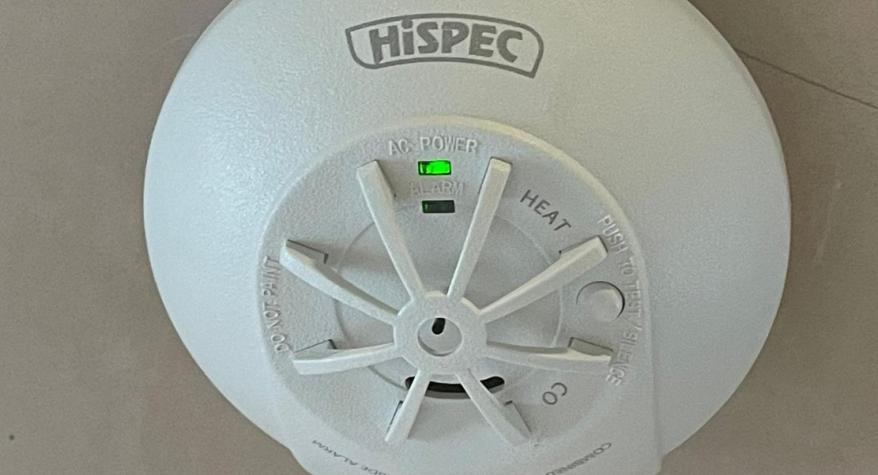
In most homes I work in, I generally use optical smoke alarms in hallways and on landings, heat detection in or around kitchens, and carbon monoxide detection where appropriate around gas appliances.
I normally favour Grade D1, 230V mains-powered alarms with sealed lithium battery backup, interconnected throughout the property.
But every house is different. The type of alarm, where it is positioned and how the alarms are interconnected should be considered as part of the complete fire detection system.
Smoke alarms are essential life-safety equipment, not simply something fitted to tick a box.
Quick Answer: Which Alarm Goes Where?
Location or requirement → My usual starting point
- Hallway / entrance lobby → Optical smoke alarm
- Landing → Optical smoke alarm
- Kitchen → Heat alarm
- Gas boiler or gas fire → CO alarm where appropriate
- Large landing / larger home → Additional detection may be required
- Power supply → Grade D1, 230V mains powered
- Backup → Sealed lithium battery
- Interconnection → Hard-wired where practical, or compatible RF where more economical
My preference is to hard-wire alarms where this is practical, but I don't believe cables should be installed simply because I am an electrician.
If modern radio-frequency technology can provide the correct interconnected protection while avoiding unnecessary damage and expense, I am happy to use it.
What Is an Optical Smoke Alarm?
An optical smoke alarm uses a light-sensitive chamber to detect smoke.
These alarms are particularly useful for detecting slower, smouldering fires, so I generally use optical smoke alarms in hallways, entrance lobbies and on landings.
These locations are particularly important because they often form part of the escape route from bedrooms and other rooms within the property.
In a typical house I may therefore install:
Hallway → Optical smoke alarm
Landing → Optical smoke alarm
The size and layout of the home also need to be considered.
A large house with a long landing may benefit from more than one detector rather than relying on a single alarm a considerable distance from some of the bedrooms.
What Alarm Should Be Used in a Kitchen?
I generally use a heat alarm in or near the kitchen, depending on the layout and the manufacturer's installation instructions.
A heat alarm reacts to an increase in temperature rather than simply detecting smoke.
This makes it much better suited to a kitchen, where cooking fumes, steam or burnt food could cause unwanted activation of a normal smoke alarm.
A common arrangement might therefore be:
Kitchen → Heat alarm
Hallway outside kitchen → Optical smoke alarm
The important point is that both detectors form part of the same interconnected alarm system.
What Are Multi-Sensor Alarms?
Modern alarms can contain more than one type of sensor.
Depending on the manufacturer, these can include:
- optical smoke + heat
- heat + carbon monoxide
- smoke + heat + carbon monoxide
Multi-sensor technology can be very useful, but I don't automatically install the alarm with the greatest number of sensors.
The detector needs to suit the room and the risks present.
Do I Install Ionisation Smoke Alarms?
No.
Ionisation smoke alarms were once extremely common and can still be found in older homes.
They use a small radioactive source as part of their sensing process.
I do not install new ionisation smoke alarms.
For new installations and replacements, I generally use modern optical, heat or multi-sensor alarms, selecting the detector to suit the location.
When I remove an old ionisation alarm, I can also arrange appropriate disposal rather than simply placing it in normal household waste.
What Is a Grade D1 Smoke Alarm?
For most of my domestic installations, I favour Grade D1 alarms.
These are mains-powered alarms with a tamper-resistant standby battery supply.
The alarms I prefer use a sealed rechargeable lithium backup battery, designed around the working life of the detector.
I prefer this arrangement to older mains alarms that have a customer-replaceable backup battery.
Replaceable batteries need changing during the life of the alarm. When they become low, the detector starts chirping and there is always the possibility that someone removes the battery to stop the noise and forgets to replace it.
With the Grade D1 alarms I generally install, the backup battery is sealed within the alarm.
The detector normally operates from the 230V mains supply, while the lithium battery keeps it operating during a power failure.
Why Should Smoke Alarms Be Interconnected?
For me, interconnection is one of the most important parts of a domestic alarm system.
Imagine a fire starting downstairs in the kitchen during the night.
The kitchen heat detector may be the first alarm to activate.
If the system is interconnected, the smoke alarms in the hallway and on the upstairs landing also sound.
You are therefore not relying on somebody who is asleep upstairs hearing one individual detector through floors, ceilings and closed doors.
Put simply:
One alarm detects a fire → all of the interconnected alarms sound.
This is why I look at smoke, heat and CO alarms as a complete warning system, rather than separate devices fitted around the house.
What About Bedrooms and Larger Homes?
When I assess a property, I consider where people are actually sleeping and whether they are likely to hear the warning.
In an average-sized home, one correctly positioned landing alarm may provide suitable warning for several bedrooms.
In a larger property with a long landing or bedrooms spread over a wider area, I may recommend additional detection.
My objective is straightforward:
If somebody is asleep when a fire starts, I want the alarm system to give them the best possible chance of waking quickly and escaping.
Do Smoke Alarms Have to Be Hard-Wired Together?
No.
People sometimes assume that because I am an electrician I will automatically recommend running new cables and hard-wiring every detector together.
That isn't how I work.
I prefer hard-wired interconnection where it is practical and economical.
However, in an existing decorated home, installing another interlink cable can sometimes mean:
- lifting floors
- cutting ceilings
- chasing walls
- damaging decoration
- making good afterwards
- additional labour and decorating costs
Modern radio-frequency, or RF, interconnection can sometimes provide a better solution.
When Can RF Interconnection Save Money?
A good example is adding a heat alarm to an existing kitchen.
The house may already have suitable mains-powered alarms in the hallway and on the landing.
The kitchen now requires a heat detector.
If there is easy access for an interlink cable, hard-wiring may be the sensible choice.
But if installing that cable means lifting flooring, cutting a finished ceiling or damaging decorated walls, using compatible RF technology may be considerably more economical.
The new alarm can still have:
- 230V mains power
- sealed lithium battery backup
- Grade D1 protection
- interconnection with the rest of the alarm system
The difference is simply that the interconnection signal is transmitted by radio rather than through another cable.
I don't therefore view the choice as:
Wired = good
Radio = bad
I look at which method provides the correct protection, good reliability, sensible cost and the least unnecessary cosmetic damage to the customer's home.
When Is a Carbon Monoxide Alarm Needed?
Carbon monoxide is normally shortened to CO. It should not be confused with CO₂, which is carbon dioxide.
Where there is a gas combination boiler, gas fire or another appropriate fuel-burning appliance, I consider whether carbon monoxide detection is required.
Where appropriate, I generally favour mains-powered CO alarms with suitable backup protection.
Their exact location should be selected in accordance with the manufacturer's instructions and the appliance being protected.
What About Annexes, Loft Rooms and Pitched Ceilings?
Annexes, loft conversions and rooms with pitched or unusual ceilings need additional consideration.
Smoke and heat naturally rise, but this doesn't mean an alarm should simply be installed wherever the ceiling is highest.
The type of detector, ceiling shape, sleeping areas and manufacturer's positioning requirements all need to be taken into account.
I therefore assess these situations individually rather than simply copying the alarm arrangement from the rest of the house.
Why Do I Check the Existing Smoke Alarm Wiring?
When I replace or upgrade mains-powered smoke alarms, I don't only look at the detector.
One issue I regularly find is that the circuit protective conductor, commonly called the earth, is not continuous throughout the smoke alarm wiring.
Some smoke alarms may not themselves require an earth connection because of their construction.
However, this does not mean the protective conductor within the electrical circuit can simply be cut off or left discontinuous.
If I find that continuity of the protective conductor has been lost, this normally needs to be rectified as part of the electrical work.
This is one reason replacing mains-powered smoke alarms can involve more than simply removing an old detector and fitting a new one.
The electrical circuit supplying the alarm also needs to be suitable.
How Should You Protect Smoke Alarms From Dust?
Dust can cause problems with smoke detectors.
If you are decorating, drilling, sanding or carrying out other work that may create dust near an alarm, protect the detector before the dusty work starts.
Where the manufacturer provides or recommends a dust cover, use it.
Dust and debris entering the sensing chamber may cause unwanted alarms or interfere with the detector's operation.
Most importantly:
Always remove the dust cover immediately when the dusty work is finished.
A covered alarm cannot properly detect smoke.
Once the work is complete, check that the detector is clean and test it using the test button.
Can Smoke Alarms Be Cleaned?
Manufacturers may recommend carefully removing dust from around the detector vents using a vacuum cleaner with a suitable attachment or a soft brush.
Do not dismantle the detector or push objects into its sensing chamber.
Once cleaned, test the alarm using its test button.
Cleaning can sometimes solve a contamination problem, particularly if building dust has affected the detector.
Why Is My Smoke Alarm Chirping or Giving Nuisance Alarms?
If an alarm repeatedly chirps or activates unnecessarily, the cause needs to be investigated.
Possible causes include:
- dust or contamination
- the detector's location
- a battery or power warning
- an internal fault
- the age of the alarm
In my experience, once an older detector starts repeatedly causing problems, spending a significant amount of labour trying to recover it isn't always the most economical option for the homeowner.
There is a cost involved in an electrician attending, removing and cleaning the detector, refitting it and then testing the system.
If the alarm is ageing or I believe the problem is likely to return, I may recommend replacing the detector instead.
This can make more financial sense than paying for repeated visits to maintain an alarm that may soon need replacing anyway.
If One Alarm Has Expired, Should the Others Be Checked?
Yes.
If I attend a property because one alarm has reached the end of its manufacturer's recommended life, I also check the age of the other detectors.
Alarms fitted as part of the same installation are often approximately the same age.
If several detectors have already passed their recommended replacement date, it may be more economical to replace them during the same visit rather than paying for several separate visits as each alarm expires.
How Do I Test My Smoke Alarms?
Homeowners do not need specialist electrical testing equipment to carry out the normal alarm test.
Each alarm has a test button.
I recommend regularly testing each individual detector and checking that the other interconnected alarms also sound.
Testing every alarm individually is important.
Pressing one detector and hearing all the others sound shows that the interconnection works, but it doesn't mean you have individually checked every detector.
Follow the alarm manufacturer's recommended testing frequency.
If an alarm does not operate correctly when tested, don't ignore it.
How Long Do Smoke Alarms Last?
Many modern domestic smoke alarms are designed around an approximately 10-year working life, although you should always follow the manufacturer's stated replacement date for the particular detector installed.
I think every homeowner should have a clear way of knowing when their alarms need replacing.
For example:
Landing optical smoke alarm
Installed: August 2026
Replace by: August 2036
Ten years is a long time.
Without a clear record, a future homeowner may have no idea whether an alarm is five, ten or fifteen years old.
A simple record should therefore include:
- detector location
- installation date
- manufacturer's replacement date
That makes future maintenance easier and can help avoid unnecessary repeat visits.
What Alarm System Do I Normally Recommend?
Every property is different, but my usual starting point is:
Hallways and entrance lobbies → Optical smoke alarms
Landings → Optical smoke alarms
Kitchens → Heat alarms
Gas boilers and gas fires → Appropriate CO protection
Larger homes → Additional detection where the layout requires it
For the alarm system itself, I generally favour:
- Grade D1
- 230V mains powered
- Sealed lithium battery backup
- Interconnected throughout the property
- Hard-wired where practical
Compatible RF interconnection where this provides a more sensible and economical solution
Smoke Alarms Are About Protection, Not Ticking a Box
For me, smoke alarm installation isn't about putting the cheapest detector on a ceiling and saying the job is complete.
I look at the property as a complete system.
That includes the type of detector, the escape routes, sleeping areas, the kitchen, CO risks, interconnection, backup power, existing wiring, installation costs and the age of the alarms already installed.
I also consider the customer's home.
There is little benefit in causing unnecessary damage to a finished property simply because another cable could technically be installed if modern RF technology can provide the appropriate protection more economically.
The important thing isn't whether the alarms communicate through a cable or a radio signal.
The important thing is that the correct alarms are fitted in appropriate locations, interconnected, regularly tested, properly maintained and replaced when they reach the end of their recommended working life.
Need Your Smoke Alarms Checking or Upgrading?
If your alarms are approaching ten years old, aren't interconnected, use old replaceable backup batteries, repeatedly chirp or you're unsure whether the correct type of detector has been installed in your home, I can assess the existing system and advise on suitable options.
GFS Electrical Services Ltd installs and upgrades mains-powered smoke, heat and carbon monoxide alarms throughout Morley and surrounding areas of South Leeds.
I can advise on Grade D1 alarms, optical smoke alarms, heat alarms, CO alarms, hard-wired interconnection and modern RF interconnected systems, while also checking the electrical wiring associated with the alarms.
The aim is simple:
The correct protection for your home, without unnecessary work, expense or cosmetic damage.
To enquire about smoke alarm testing or replacement, get in touch today!